 by
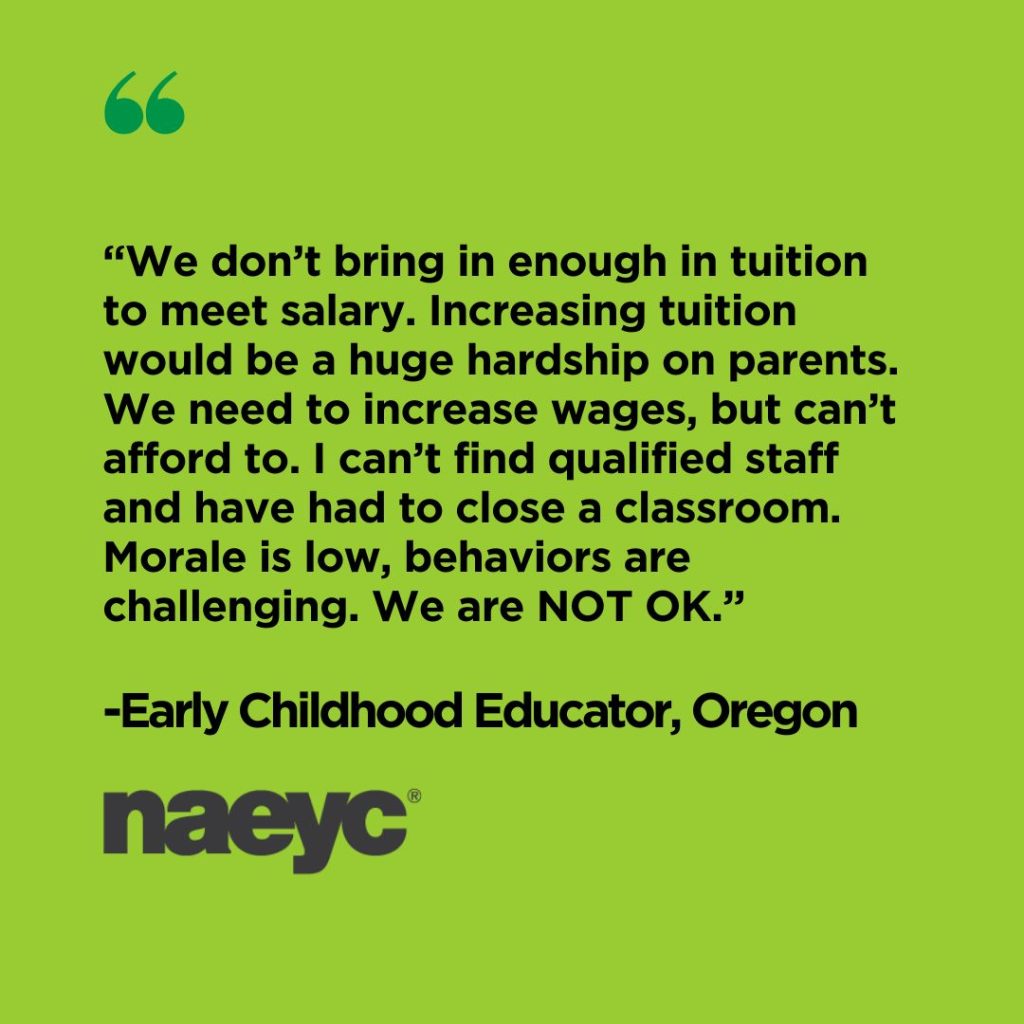
by The early childhood education (ECE) sector is facing a significant crisis in 2025, characterized by staffing shortages, inadequate compensation, and policy uncertainties. These challenges threaten the quality and accessibility of early learning programs, which are crucial for children’s development and societal well-being.
🧑🏫 The State of the ECE Workforce
📊 Compensation and Working Conditions
ECE professionals are among the lowest-paid workers in the U.S., with average hourly wages around $13.07, significantly below the national average of $22.92 . This wage disparity contributes to high turnover rates and difficulty in attracting qualified staff.
💼 Workforce Shortages
The sector has not recovered from the job losses experienced during the COVID-19 pandemic. As of May 2022, approximately 117,400 positions remained unfilled or eliminated . This shortage affects the availability and quality of child care services.
📉 Impact on Families and Children
💰 Rising Costs and Limited Access
The financial strain on ECE providers has led to increased tuition fees for families. Many parents face challenges in affording quality child care, leading to underenrollment in programs and limited access for children.
🧠 Developmental Concerns
Inconsistent access to quality early education can hinder children’s cognitive, social, and emotional development. High staff turnover disrupts the continuity of care, affecting the stability and effectiveness of learning environments.

🏛️ Policy Landscape and Funding Challenges
🏦 Federal Funding Uncertainties
Recent policy shifts have introduced uncertainties in federal support for ECE programs. Proposals to eliminate initiatives like Head Start threaten the availability of services for low-income families
🏛️ State-Level Initiatives
Some states are taking proactive steps to address the ECE crisis. For example, New Mexico has implemented free child care for most families, significantly reducing poverty rates . Similarly, Massachusetts has proposed substantial investments in early education and care.
🌍 International Perspectives
🇬🇧 United Kingdom
The UK government has announced the creation of 300 new school-based nurseries, primarily targeting areas with limited existing provision. However, concerns about staff turnover and the need for improved career progression and training remain.
🇦🇺 Australia
Australia has pledged significant reforms, including subsidized child care for families earning up to $530,000 annually and a $1 billion investment to build more childcare centers. The policy aims to increase accessibility and support early childhood education.
🔍 Strategies for Improvement
💵 Enhancing Compensation
Improving wages and benefits for ECE professionals is critical. Investments in compensation can attract and retain qualified staff, ensuring better outcomes for children.
📚 Professional Development
Providing ongoing training and career advancement opportunities can enhance the quality of early education. Collaborations between higher education institutions and ECE programs can facilitate this development .
🤝 Community Engagement
Engaging families and communities in early education initiatives can improve attendance and support children’s learning. Programs that involve parents and caregivers contribute to a more holistic educational experience.
📊 Comparative Overview
| Challenge | Impact |
|---|---|
| Low Wages | High turnover, staffing shortages |
| Limited Funding | Reduced program availability |
| Policy Uncertainties | Threats to program continuity |
| Rising Costs for Families | Decreased access to quality care |
🔗 Further Reading
- Building a Stronger Early Childhood Workforce
- New Mexico’s Free Childcare Initiative
- UK’s Early Years Support Expansion
- Australia’s Childcare Reforms
- NAEYC ECE Workforce Surveys